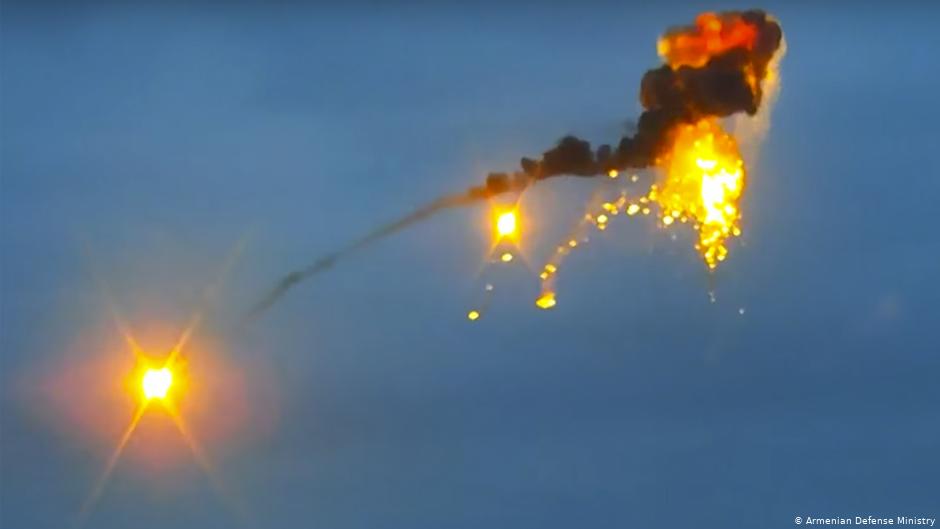
At the start of the Nagorno-Karabakh war, media coverage was saturated with reports of Azerbaijani use of advanced drone weaponry, specifically, Israeli made suicide drones. Newsweek tells its readers that this may be the future of war. Even prominent heterodox analysts have focused their analysis on the dominant use of drones by the Azeri side.
Now familiar to everyone since their widespread use by the Obama administration, the argument for drones is fairly straightforward. (1) You don’t risk pilots, and (2) they’re cheaper than traditional bomber jets (we might add, (2b) it’s cheaper to train drone pilots. As such, why wouldn’t you want to exclusively use them?
The argument is superficially plausible, but incomplete. The hidden (and assumed) premise is (3) that drones are equally as effective as traditional aircraft against all adversaries. This third premise is where the argument falls apart. While against an over-matched enemy, you may prefer to engage in air warfare primarily through the use of drones, drones also feature unique vulnerabilities, without unique offensive capabilities.
Armenia’s own deputy defense minster makes the basic point that drones are unnecessary, strictly for certain offensive functions, drawing criticism from even sympathetic analysts. But is he so wrong? If the argument revolves around cheapness, then traditional missile systems are cheaper still. If the argument revolves around effectiveness, then the effectiveness edge that drones may have over these traditional weapons systems must be weighed against their unique vulnerability to jamming.
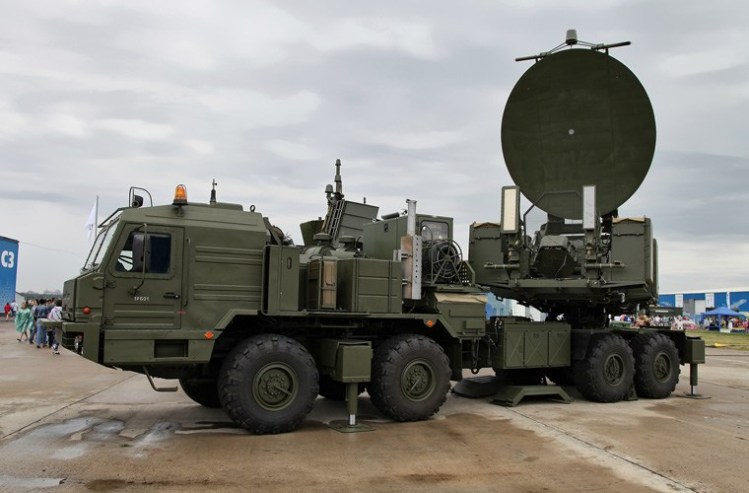
All the focus on the “suicide drones”, essentially papers over the fact that remote controlled aircraft/missiles are a decades old technology. The problem with relying on remote controlled weaponry is that the signal used for control can be jammed. Most missed this article when it came out:
“While Belladonna translates to “beautiful woman” in English, in Russian it has a second meaning: it is the name of a Russian electronic jamming system now credited with knocking out at least nine Turkish Bayraktar armed drones used by Azerbaijan to target Armenia. “
By jamming the signal, the drone is disabled in a way traditional aircraft, or missile systems, cannot be. Thus, when engaging with more advanced forces, the drone technology loses critical effectiveness, and you have to return to traditional weapons systems. Non-unique offensive capability, unique vulnerability.
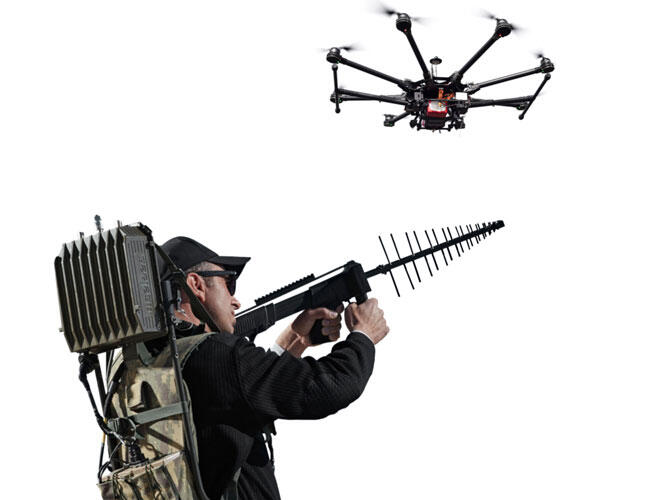
This answers a second question, one that falls under the “dog that didn’t bark” category, why aren’t drones used against high risk government targets. Whether incidents with Maduro, or Erdogan, heads of states threatened by drone warfare have seemingly always managed to escape unharmed. The answer is the proliferation of anti-drone technology that again focuses on this jamming tech.
So is this really the future of warfare? No. The states involved in selling this drone technology, seek to use this as a showcase to sell more, highly profitable weaponry. Upon the entrance of Russian anti-drone technology, we saw a quick escalation of events that turned the war more real, and swiftly resulted in a ceasefire. Claims of the era of the drone (so far), whether this, or recent Chinese displays, are best understood as commercials, not prophecies.
 The War Room